When a hearing aid has a clearer ear to work with
In three listening experiments, moving the talker or the competing noise changed how much a hearing-aid algorithm helped.
Peer-reviewed hearing studies often carry more nuance than a press release. Each brief here identifies the research question, study design, participants, comparison group, primary outcome, and key limitations.
In three listening experiments, moving the talker or the competing noise changed how much a hearing-aid algorithm helped.
Sixteen adults who struggled to follow speech in noise tried hearing aids for eight weeks.
Researchers tracked hearing for up to two and a half years in people with an inherited form of deafness.
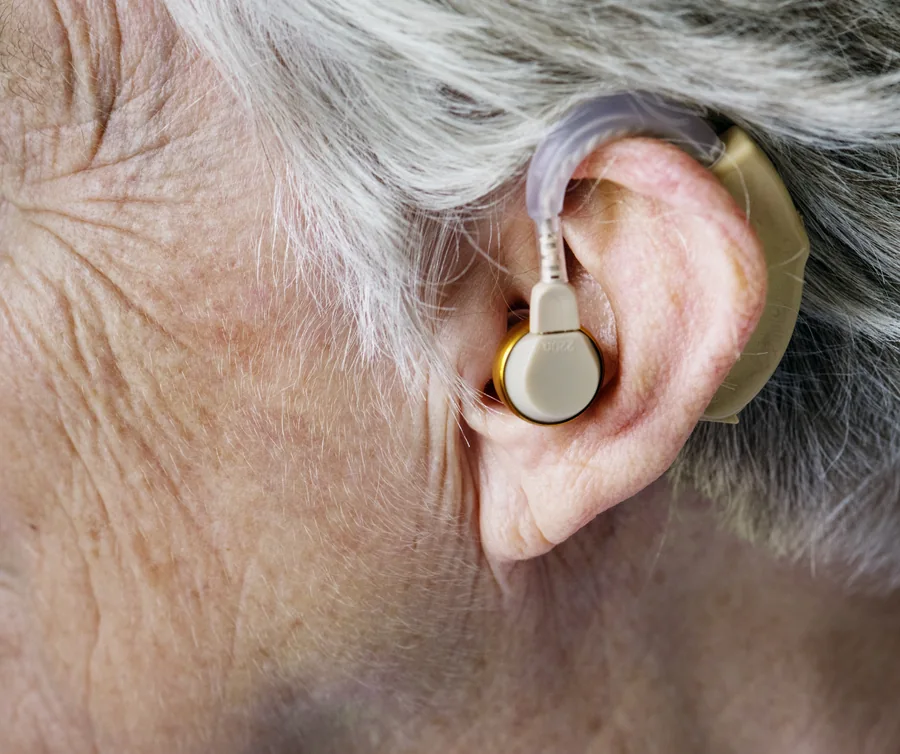
The trial's overall result and its subgroup finding tell different parts of the story.
A 2026 trial measured both the sound reaching the ear and what listeners could hear after a month.

Directional microphones can improve speech understanding in a test booth, yet everyday preference is harder to predict.

Why strained listening drains mental energy—and what controlled studies have measured about hearing-aid use and fatigue.
New speech-in-noise experiments, an updated self-fitting trial roundup, and our reference coverage.