When a hearing aid has a clearer ear to work with
In three listening experiments, moving the talker or the competing noise changed how much a hearing-aid algorithm helped.
Dated roundups and dispatches are separated from evergreen study briefs and reference explainers. Every page lists both its site review date and its primary source date.
In three listening experiments, moving the talker or the competing noise changed how much a hearing-aid algorithm helped.
Sixteen adults who struggled to follow speech in noise tried hearing aids for eight weeks.

Researchers tracked hearing for up to two and a half years in people with an inherited form of deafness.
New speech-in-noise experiments, an updated self-fitting trial roundup, and our reference coverage.
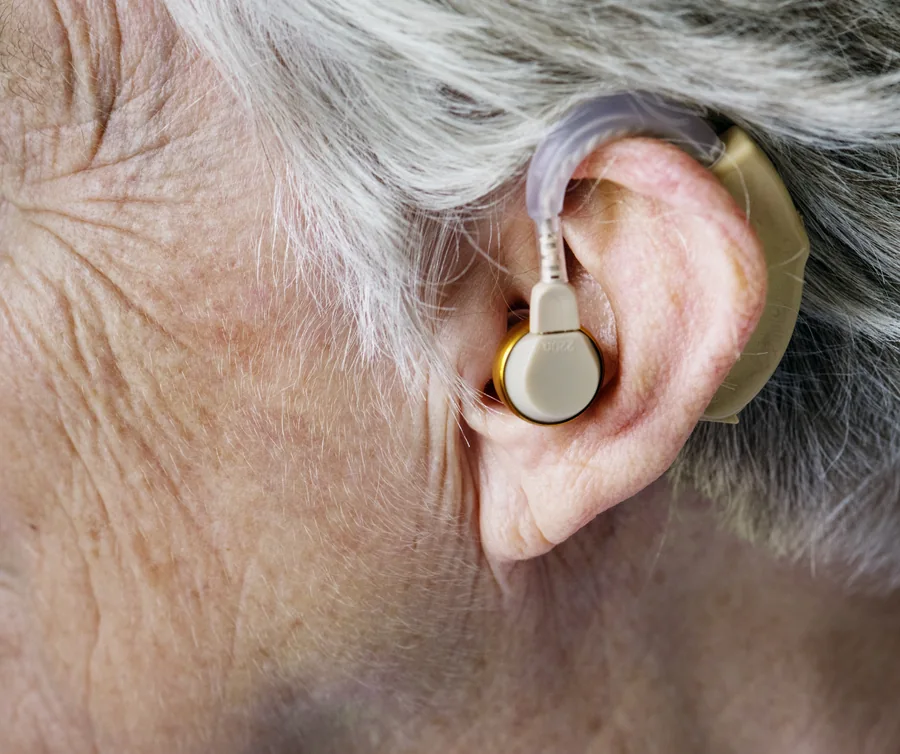
The trial's overall result and its subgroup finding tell different parts of the story.
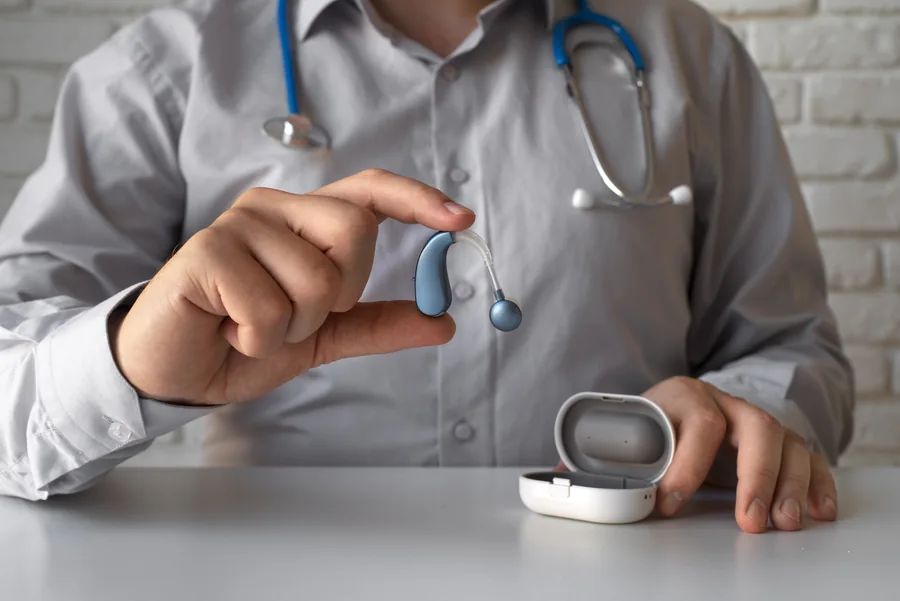
Who the category is for, what changed on October 17, 2022, and where to read the FDA's current guidance.
Broadcast audio can open new listening options, provided the transmitter and receiving device are compatible.
The name of an algorithm says less than the listening problem it solves and how the result was measured.
Five questions that reveal what a study can support—and what it cannot.
Millions of U.S. adults could benefit from hearing aids, yet most have never tried them—especially younger adults.

Why bundled clinic prices and unbundled OTC prices measure different things—and what the FDA projected for consumer savings.
Why a small trial, a secondary outcome, or a short follow-up changes how much weight a finding deserves.
A 2026 trial measured both the sound reaching the ear and what listeners could hear after a month.

Directional microphones can improve speech understanding in a test booth, yet everyday preference is harder to predict.

Why strained listening drains mental energy—and what controlled studies have measured about hearing-aid use and fatigue.